

Gas shortage rumours: why precautionary buying creates the queue
On 29 October 2026, in Gabon, the petroleum storage company SGEPP denied a fuel and gas shortage and asked consumers to avoid precautionary buying, which creates queues by itself. Cameroon went through the same mechanism in September. In both cases, information on stocks was used to calm demand; the same information is still missing at the level of each kitchen.
What happened in Gabon?
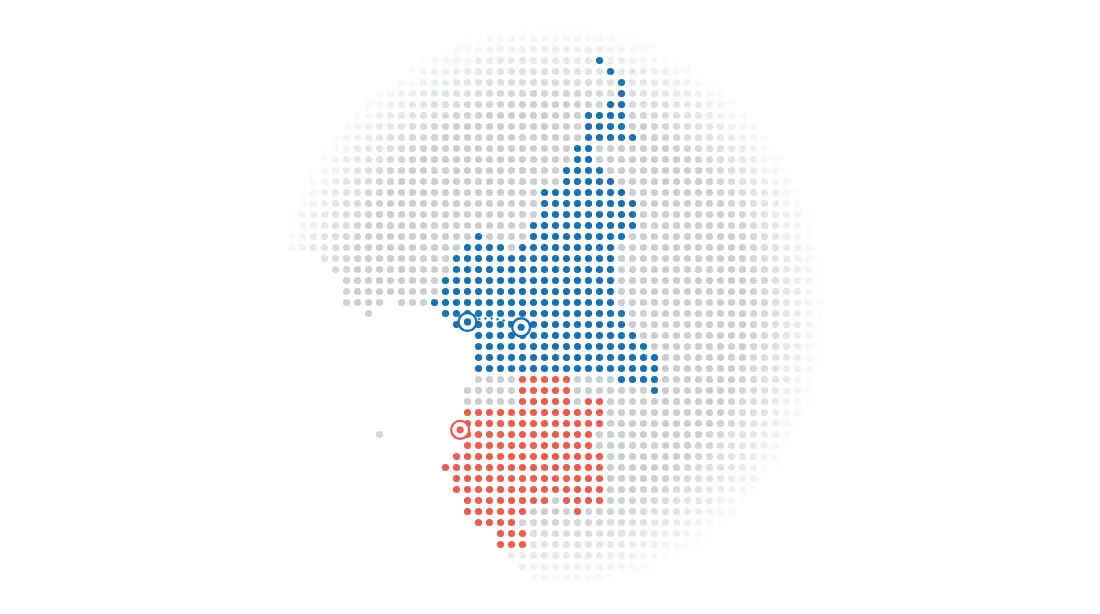
In late October 2026, rumours of a fuel shortage spread in Greater Libreville. On Thursday 29 October, Gabon's petroleum products storage company (SGEPP) published a statement to reassure the public: according to the company, the fuel and gas held in its depots are at a satisfactory level and enough to supply service stations across the country (Infos Gabon, 30 October 2026, in French).
Above all, SGEPP asked consumers to keep their usual buying habits. Storing unusual quantities in response to an unconfirmed shortage, it explains, creates an artificial rise in demand, overloads points of sale and makes distributors' work harder. The newspaper sums up the mechanism in one sentence: worry can itself produce the imbalances it fears.
How does a rumour create a queue?
The mechanism is simple. A distribution network is sized for usual demand: each household refills when its cylinder is empty, at its own pace, and refills are spread over time. When a rumour spreads, many households want to refill at once, including those whose cylinder is not empty. A week's demand arrives in a day, queues form, and the queue seems to confirm the rumour.
For cylinder gas, exchange amplifies the effect. A household that wants a spare must find a full cylinder of the right brand, and the outlets that have one draw the whole neighbourhood. The empty outlet then feeds the next rumour.
Cameroon went through the same thing in September
In September 2026, long queues formed outside points of sale in Yaoundé and Douala. On 17 September, SCDP published a clarification titled “a localised strain, not a shortage”: the difficulties centred on one marketer whose cylinder holders struggled to refill or exchange, while other marketers had product (SCDP, 17 September 2026, in French; see our article on storage and logistics).
The next day, SCDP detailed its stocks depot by depot (SCDP, 18 September 2026, in French). It puts national household gas demand at about 1,500 tonnes a day. The Bonabéri depot was then open from 5 am to 11 pm. Yaoundé had about three days of cover, Bertoua nine days, Maroua about five days. In the West region, occasional strain came, according to SCDP, from the state of the road serving the depot rather than from a lack of product.
What stock information changes, and what it lacks
In Gabon as in Cameroon, the depot operator answered the rumour with figures: stocks, days of cover, ships unloading. That is the right answer at the scale of a country. Yet it tells a household nothing about its own situation. Faced with a rumour, the household does not know whether it has two days of gas left or two weeks, and caution wins.
That is the information MyGaz brings at the scale of the kitchen. The UltraSense sensor estimates the gas level from under the cylinder, the UConnect box sends it over the mobile network, and the MyGaz app shows the level and an estimate of the days left, based on the household's own pace of use. A household that knows it has gas for several more days can order at its own pace rather than join the queue. And the delivery agency sees real needs coming, which helps it plan its rounds when supply is tight (see agencies, the first link of the pilot network).
MyGaz measures the gas level, not leaks. In times of strain, good habits do not change: on delivery, check that the seal is intact and that the cylinder does not smell of gas, then follow the advice on our gas safety page.
Sources
Infos Gabon, “Carburant au Gabon : la SGEPP écarte le risque de pénurie et appelle au calme” (in French), 30 October 2026.
SCDP, “Gaz domestique : une tension localisée, pas une pénurie” (in French), 17 September 2026.
SCDP, “Le dépôt de Bonabéri mobilisé pour garantir l'approvisionnement national en gaz domestique” (in French), 18 September 2026.
Read next
All news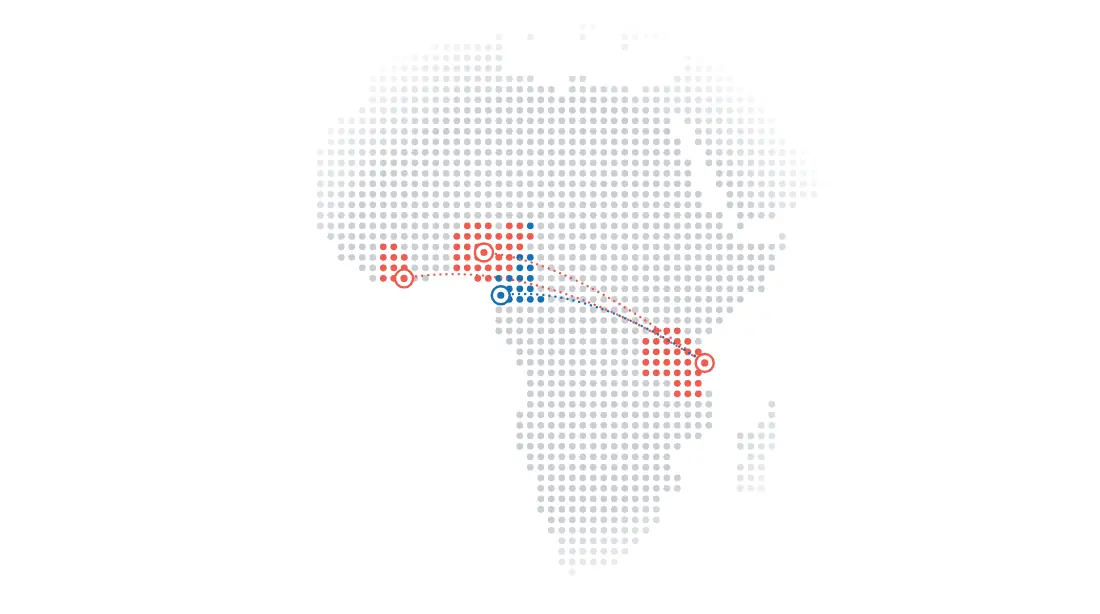 The last mile of household LPG: what Africa's industry now wants financedIn late October 2026, the African Refiners and Distributors Association (ARDA) and Nigeria's Clean Cooking Forum reached the same diagnosis: clean cooking moves at the speed of the gas supply chain, and that chain has mostly been financed upstream. The last mile, from the depot to the kitchen, is becoming the priority. In Cameroon, the same week saw a new player incorporated, with an operations centre in Kribi.
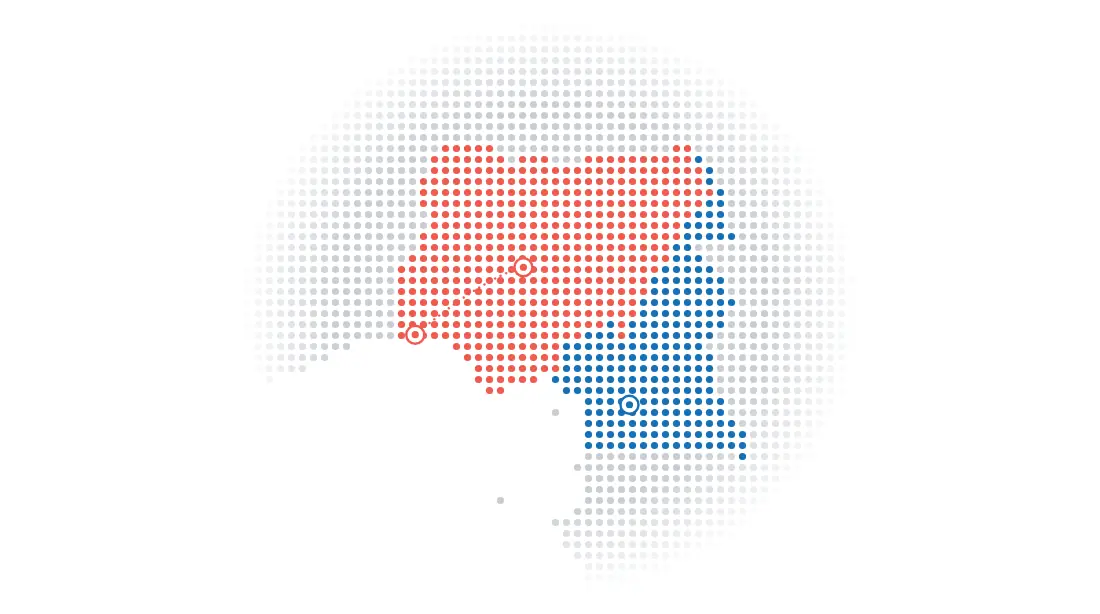 Nigeria: a registry for every LPG cylinder, and households going back to woodNigeria is launching a national LPG cylinder recirculation programme: each cylinder gets a digital identity, existing cylinders are checked at authorised facilities and exchange goes through approved retailers. At the same time, Nigeria's Clean Cooking Forum heard that families who moved to gas are going back to wood. Two complementary pieces of information for neighbouring Cameroon: where the cylinder is, and when it will be empty.